Chiropractic Care Built for Athletes and Active Adults in Waterloo
Most sports injuries don't sideline you because something is broken — they sideline you because movement broke down and nobody addressed it. Dr. Jared Kennedy brings a rehab-first, movement-based approach to athlete chiropractic care that treats the root of the problem, not just the location of the pain.
Why Generic Sports Chiropractic Falls Short
A lot of sports chiropractic content — and frankly, a lot of sports chiropractic care — looks the same. Adjust the joint, ice it, rest it, repeat. That approach misses the reason most athletes get hurt in the first place: faulty movement patterns that put repetitive stress on the wrong structures until something gives.
Dr. Jared's background in movement rehabilitation means every assessment starts with how you move, not just where it hurts. Whether you're a competitive athlete at Waterloo West or Columbus Catholic, a recreational league player, or someone who just wants to stay active without constant setbacks, the goal is the same — restore function, build resilience, and keep you doing what you're built to do.
Conditions Dr. Jared Commonly Treats
Sports care at What's Next covers a wide range of presentations — from acute injuries to chronic movement limitations that have been slowing athletes down for years.
- Low back pain and lumbar strain
- Hip flexor tightness and groin issues
- IT band syndrome and runner's knee
- Shoulder impingement and rotator cuff strain
- Ankle instability and post-sprain rehab
- Neck pain and upper back stiffness from contact sports
- Overuse injuries from repetitive training loads
- Performance plateaus tied to movement restrictions
If you're dealing with something not on this list, call or book a consultation — the assessment process is built to find what's limiting you regardless of how it presents.
Serving Athletes Across the Cedar Valley
What's Next Chiropractic is based in Waterloo and sees athletes from across the region — Cedar Falls, Evansdale, Hudson, Waverly, and surrounding communities. Whether you're competing at the high school or collegiate level, training for a half marathon, or just trying to stay healthy enough to play recreational soccer on Sundays, this practice was built for you.
Dr. Jared opened What's Next in January 2025 with a clear focus: bring genuinely rehab-informed sports chiropractic care to the Cedar Valley, where most available options default to the same boilerplate treatment model. If you've tried chiropractic before and felt like you were just getting adjusted without a plan, this is a different experience.
Athletes in Cedar Falls and Evansdale regularly make the short drive to Waterloo for this level of care.
What Sports Care at What's Next Looks Like
Movement Assessment First
Before any adjustment, Dr. Jared evaluates how you're moving. Restrictions in the hip, ankle, or thoracic spine rarely stay local — they shift load to adjacent structures and create the conditions for injury. Identifying those patterns early is what separates injury prevention from injury management.
Chiropractic Adjustments That Match Your Activity Level
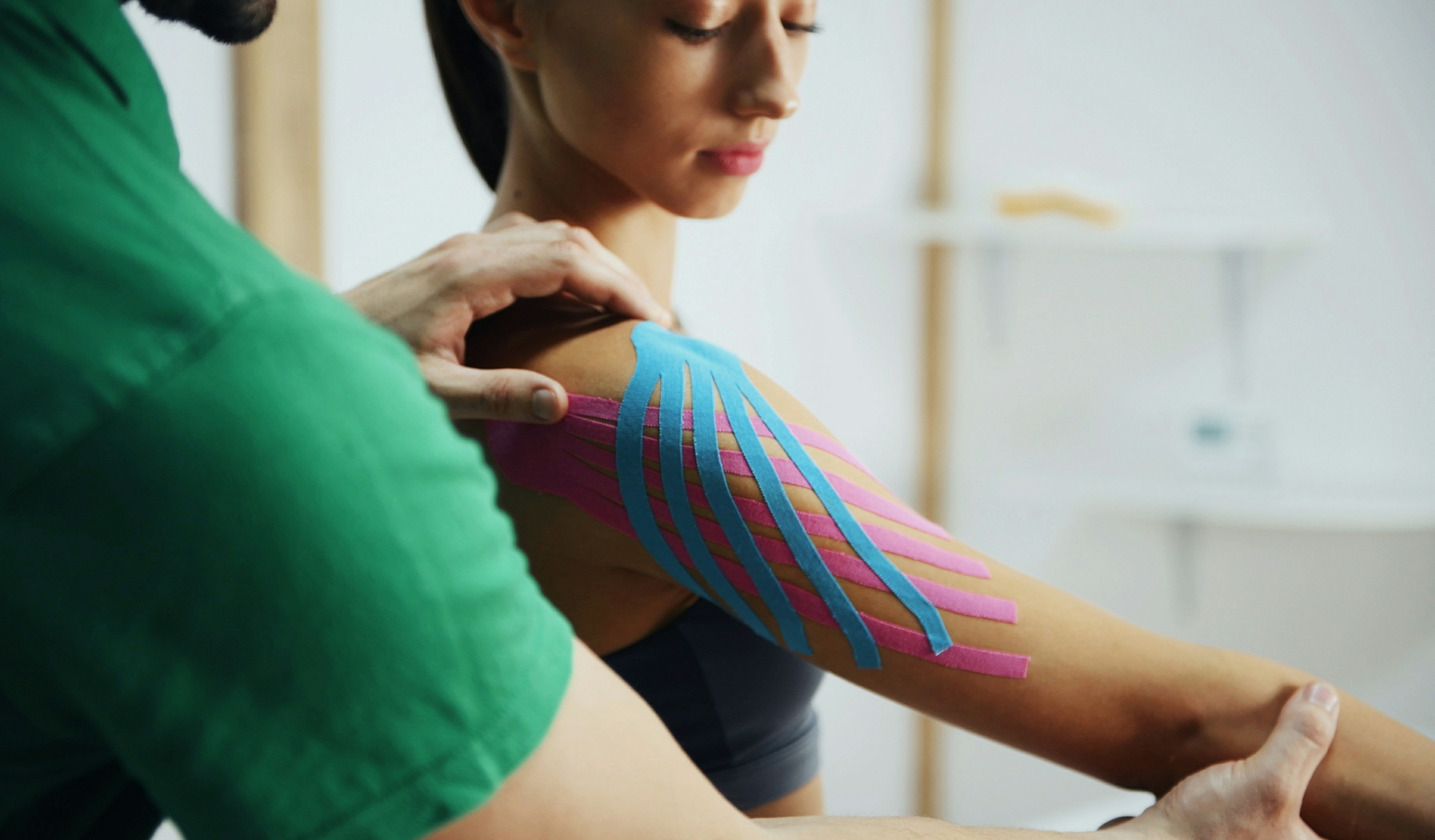
Adjustments are calibrated to your sport, your training load, and your recovery timeline. Dr. Jared uses both hands-on manipulation and instrument-based techniques depending on what the joint needs and what your body responds to best.
Rehab-Based Corrective Work
Adjustments create opportunity — corrective exercise closes the gap. Dr. Jared integrates targeted rehab work to reinforce joint mobility, stabilize the areas that were compensating, and rebuild the movement patterns that protect you from re-injury.
Return-to-Sport Planning
Getting out of pain is the start, not the finish. Dr. Jared works with you on a clear return-to-sport progression so you're not guessing when you're ready to go full speed again — whether that's back on the field, in the weight room, or on the trail.
Sports Care FAQs
What makes Dr. Jared's approach different from a standard sports chiropractor?
Dr. Jared leads with movement assessment rather than symptom location. Most sports injuries have a mechanical root — a restricted joint, a compensation pattern, a stability gap — and adjustments alone don't address those. His care integrates chiropractic with rehab-based corrective work so you're not just feeling better temporarily, you're moving better durably.Do I need to be a competitive athlete to receive sports care?
No. Sports care at What's Next is appropriate for anyone who is physically active and wants to stay that way — recreational athletes, weekend warriors, people who train regularly at the gym, and active adults managing the wear that comes with an active lifestyle.How soon can I be seen after a sports injury?
We prioritize getting you in quickly after an acute injury. Call (319) 380-4800 or book online through Jane App and let us know it's an acute situation — we'll work to get you scheduled as soon as possible.Will I need X-rays before my first appointment?
Not necessarily. Dr. Jared's initial assessment is movement-based and functional. If imaging is indicated based on what the assessment reveals, he'll discuss that with you and refer appropriately. Many athletes don't require X-rays to begin care.Can chiropractic care actually help with injury prevention, or is it only for treatment?
Injury prevention is one of the primary reasons athletes seek out movement-based chiropractic care. Identifying restricted joints, asymmetrical movement patterns, and nervous system stress before they produce injury is a core part of what this practice does — especially for athletes in-season or in heavy training blocks.Is What's Next Chiropractic the right fit for a high school athlete in the Cedar Valley?
Yes. Dr. Jared works with athletes at all competitive levels, including high school athletes from Waterloo, Cedar Falls, and surrounding communities. The assessment and care model is the same regardless of age — find the movement problem, fix it, and build resilience so it doesn't come back mid-season.