
The Techniques Behind Care at What's Next Chiropractic
Every technique we use is chosen for a reason, from objective nervous-system scanning to gentle, instrument-based adjusting. Here's what each one is and why it might be part of your care plan.
Diversified Technique
Diversified Technique uses precise, hands-on adjustments to the spine that are guided by careful assessment and a strong understanding of how the joints move and function. Each adjustment is tailored in direction, speed, depth, and angle to support healthy motion and alignment.
You may hear a brief “popping” sound during an adjustment, which occurs when pressure changes within the joint and gas is released. While this sound can be noticeable, it does not indicate the success or effectiveness of the adjustment.

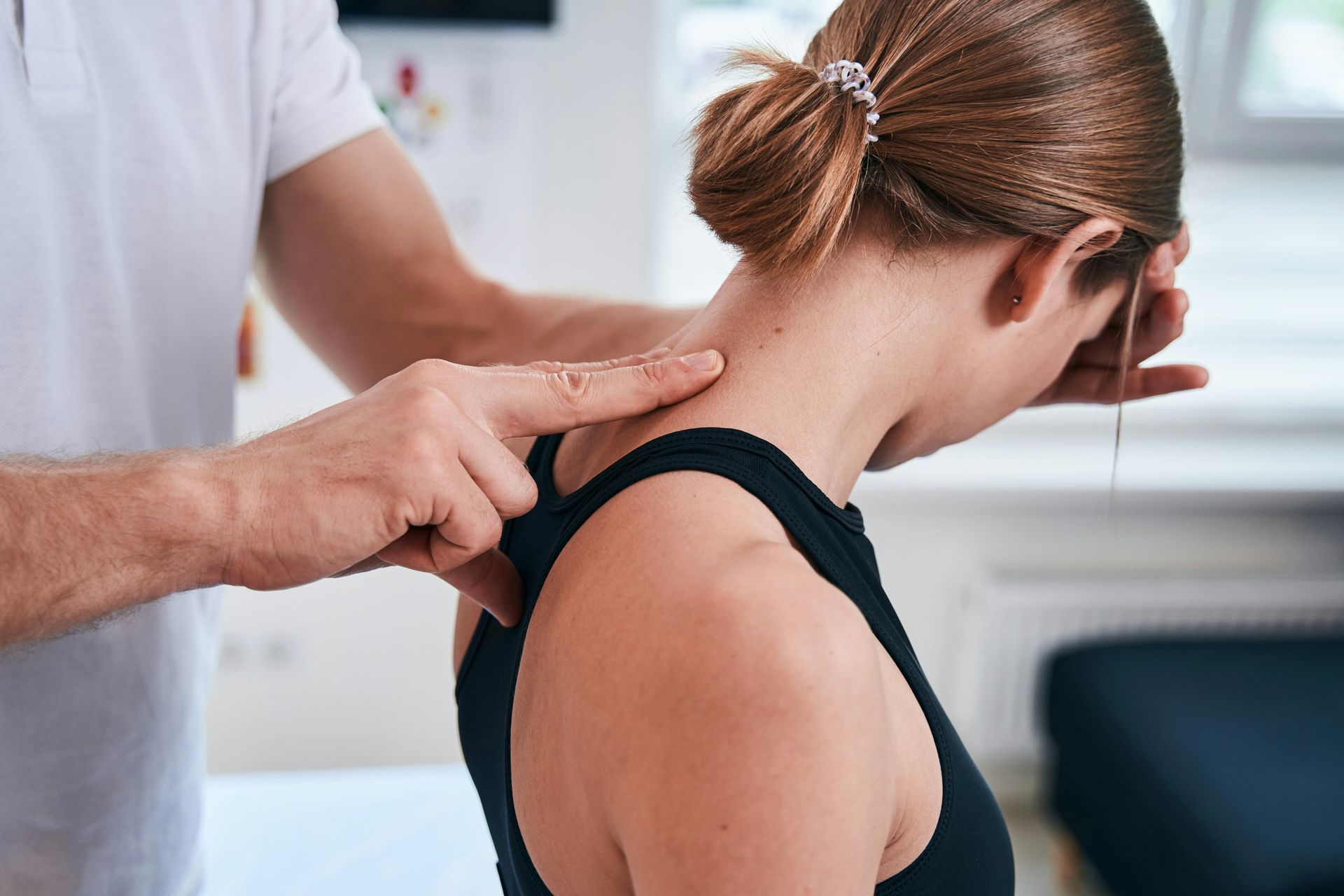
Torque Release Technique
Torque Release Technique is a gentle, neurologically focused chiropractic approach designed to reduce tension and stress within the nervous system. Using an integrator, a chiropractic instrument, the doctor delivers a precise, low-force input to specific areas of the spine to help improve communication between the brain and body. This technique does not involve twisting or cracking and is often well suited for individuals of all ages, including infants, pregnant individuals, and those who prefer a softer approach to care.
Dr. Kailey attained her Advanced Proficiency Certification of Torque Release Technique.
Webster Technique
The Webster Technique is a specific chiropractic approach used during pregnancy to help support proper pelvic balance and nervous system function. By addressing tension and restrictions in the pelvis and surrounding soft tissues, this technique helps create an optimal environment for both the pregnant individual and the developing baby. Webster Technique is gentle, safe, and focused on improving balance and function—supporting comfort, mobility, and the body’s natural ability to adapt throughout pregnancy.
Dr. Kailey is certified through the International Chiropractic Pediatric Association (ICPA) in the Webster Technique.


Additional Techniques
In addition to the previously listed techniques we may use other methods of treatment such as:
- Selective Functional Movement Assessment (SFMA)
- Mechanical Diagnosis and Treatment (McKenzie Method)
- Manual Release Therapy
- Cupping Therapy
- Rehabilitative Exercise
What Patients Ask About Care at What's Next
Our Techniques: Frequently Asked Questions
What is a nervous system scan at the chiropractor?
A nervous system scan uses surface EMG, thermal imaging, and HRV (Heart Rate Variability) readings to give an objective picture of how your nervous system is functioning. It helps identify areas of stress or imbalance before any adjustment takes place. Dr. Kailey is one of only two providers in the Cedar Valley offering this technology.
Does the nervous system scan hurt?
No, the scan is completely non-invasive and involves no discomfort. It simply reads information from the surface of your skin along the spine. Most patients find the process quick and straightforward.
Is instrument adjusting safe for kids?
es, instrument-based adjusting using Torque Release Technique is gentle and low-force, making it well suited for infants and children. It involves no twisting or cracking, which many parents find reassuring for younger patients. Dr. Kailey holds advanced certification specifically in this technique.
What if I don't like the sound of traditional adjustments?
Instrument-based adjusting is a great option if you'd prefer to avoid the popping sound associated with manual adjustments. Torque Release Technique achieves similar goals using a gentle, precise instrument instead. Many patients who prefer a softer approach choose this method.
Is the Webster Technique safe during pregnancy?
Yes, the Webster Technique is a well-established, widely used approach specifically designed to support pregnant patients. It focuses on pelvic balance and nervous system function without forceful manipulation. Dr. Kailey is certified through the International Chiropractic Pediatric Association to provide it.